
Blog

Insights, innovation and industry knowledge

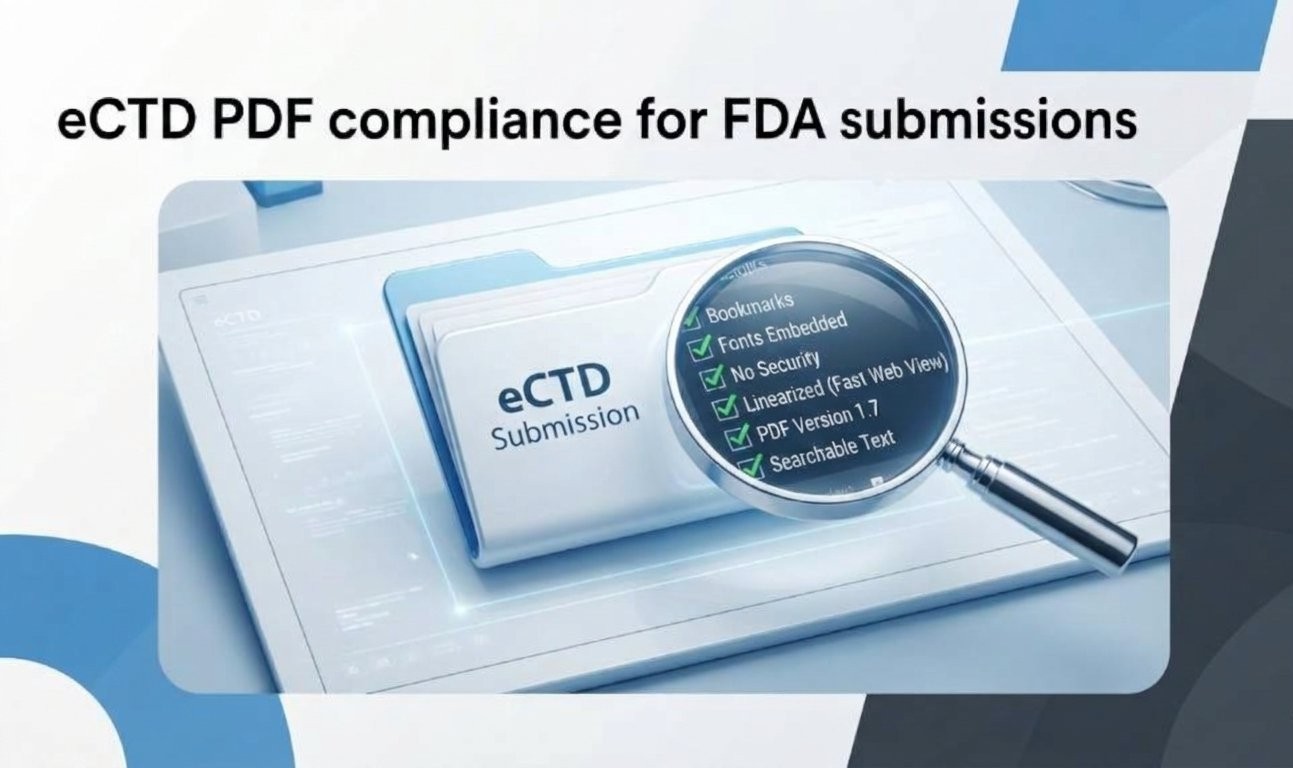
eCTD PDF Requirements for the US Market: Small Document Details That Matter
5-7 min to read · October 30, 2026

eCTD PDF Requirements for the US Market: Small Document Details That Matter

The Electronic Common Technical Document (eCTD) provides a standardized way to organize and submit pharmaceutical regulatory information to the U.S. Food and Drug Administration (FDA). Earlier paper applications could run into thousands of pages, making information difficult to locate and updates difficult to manage. eCTD addresses these challenges through an organized electronic submission structure. However, the documents within that structure must also be easy to read and navigate.

Read More
FDA Guidance Documents: Reading Them Is Easy, Applying Them Is the Challenge
5-7 min to read · October 15, 2026

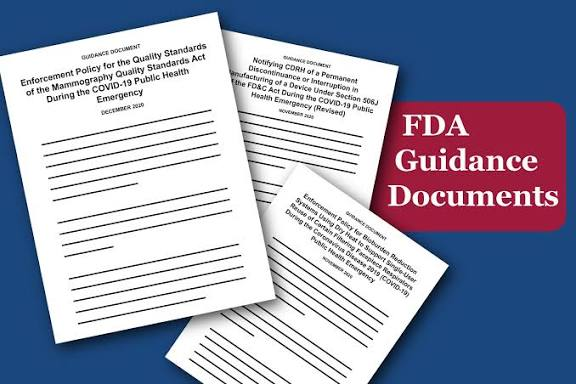
FDA Guidance Documents: Reading Them Is Easy, Applying Them Is the Challenge

FDA guidance documents are widely accessible today but reading a one and applying it correctly are two different things. A regulatory professional may understand what a document says, but the real challenge begins when that information has to be applied to a specific product, process, or submission.

Read More
Data Integrity in FDA Inspections: When Documentation Becomes a Compliance Risk
5-7 min to read · October 1, 2026

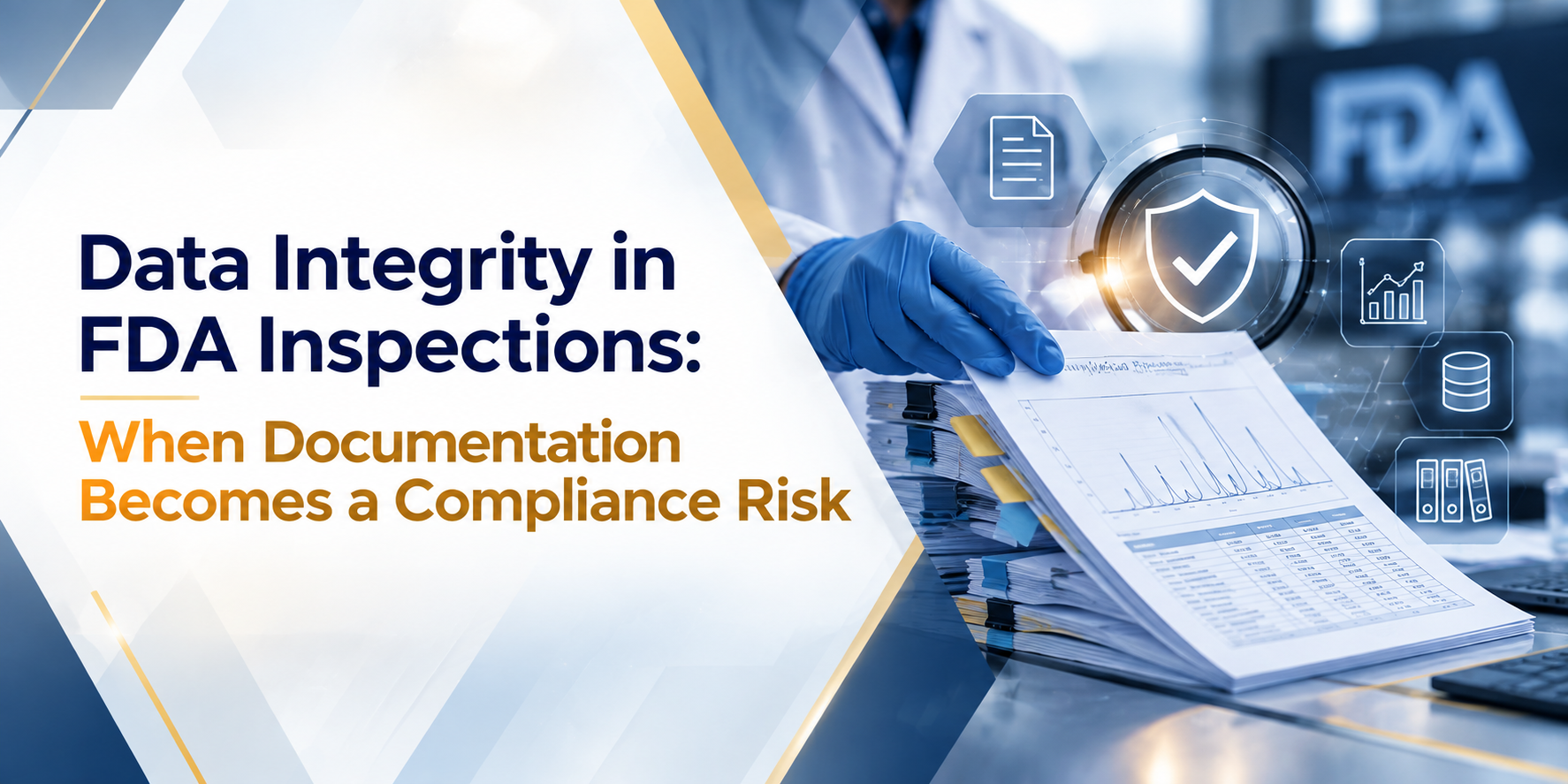
Data Integrity in FDA Inspections: When Documentation Becomes a Compliance Risk

In pharmaceutical operations, documentation is more than a record of work performed. It provides evidence that manufacturing, testing, investigations, and quality activities were performed as required and that decisions affecting product quality were based on reliable information.

Read More
From Observation to Action: Understanding FDA Form 483 Observations Beyond the Surface
5-7 min to read · September 24, 2026

From Observation to Action: Understanding FDA Form 483 Observations Beyond the Surface

An FDA Form 483 is issued by the U.S. Food and Drug Administration at the conclusion of an inspection when investigators observe conditions that, in their judgment, may constitute violations of applicable requirements.

Read More